The ambigrams
An ambigram is a word that survives being turned over. Rotate one through 180° and you get the same thing back.
I have made two of my name.
তারেক


Bangla hangs its letters from a line across the top, the মাত্রা, and that line is the first thing a reader’s eye finds. Turn a word over and the line ends up along the bottom. That is the problem an ambigram has to answer in this script, and Latin never has to.
I have not solved that one. There is no মাত্রা in this mark. A line across the top is only a মাত্রা one way up, and I have not found a way round it that leaves the rest of the word intact.
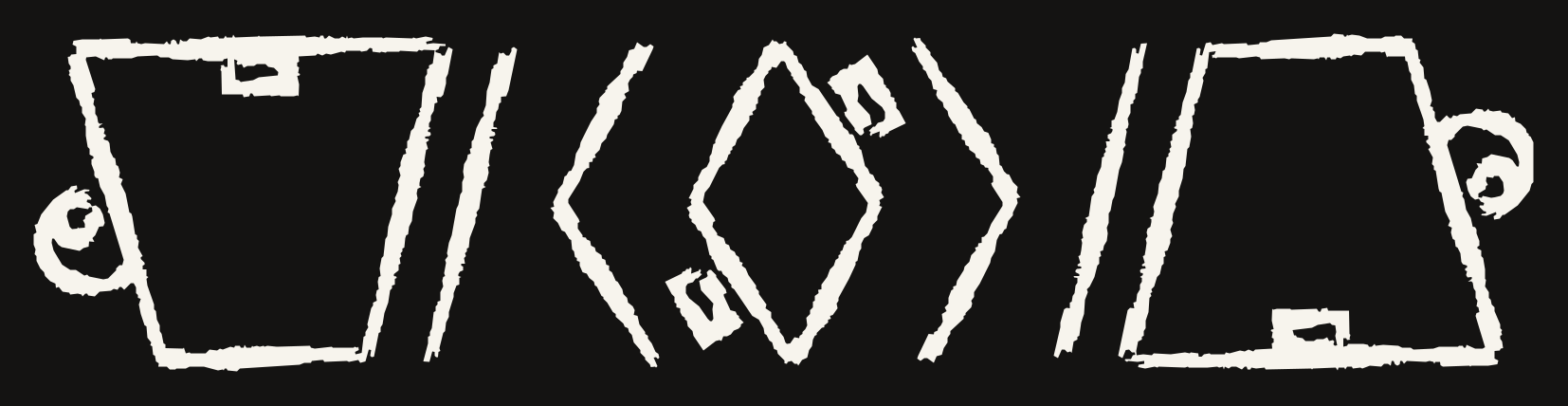
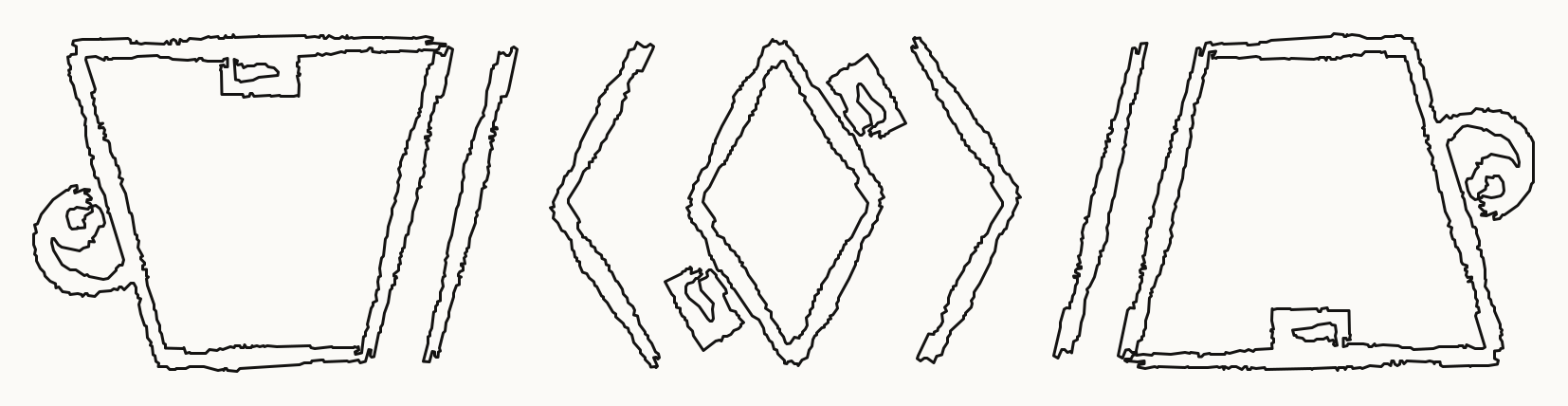
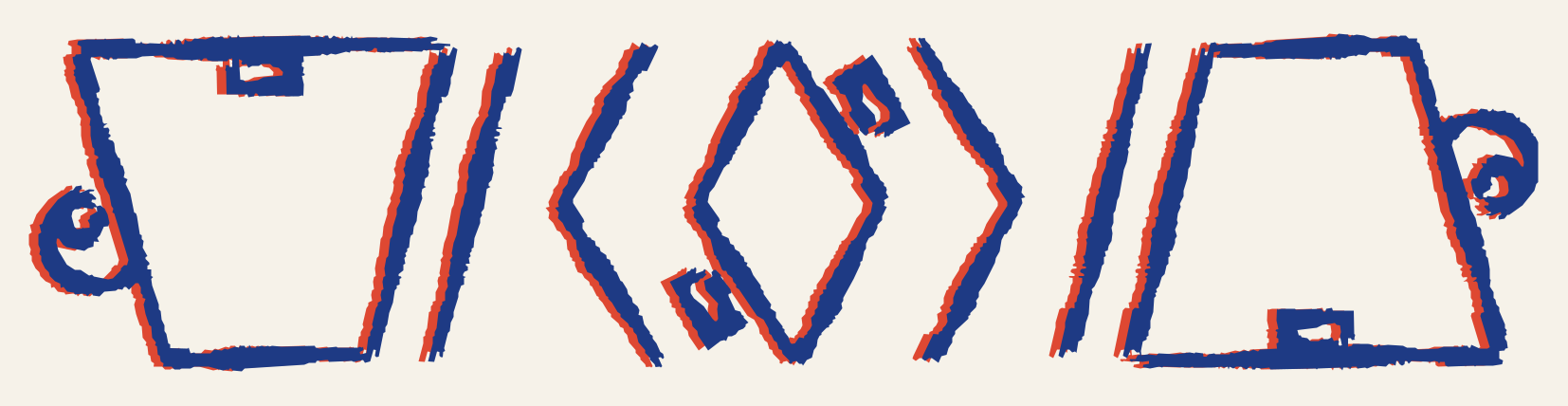
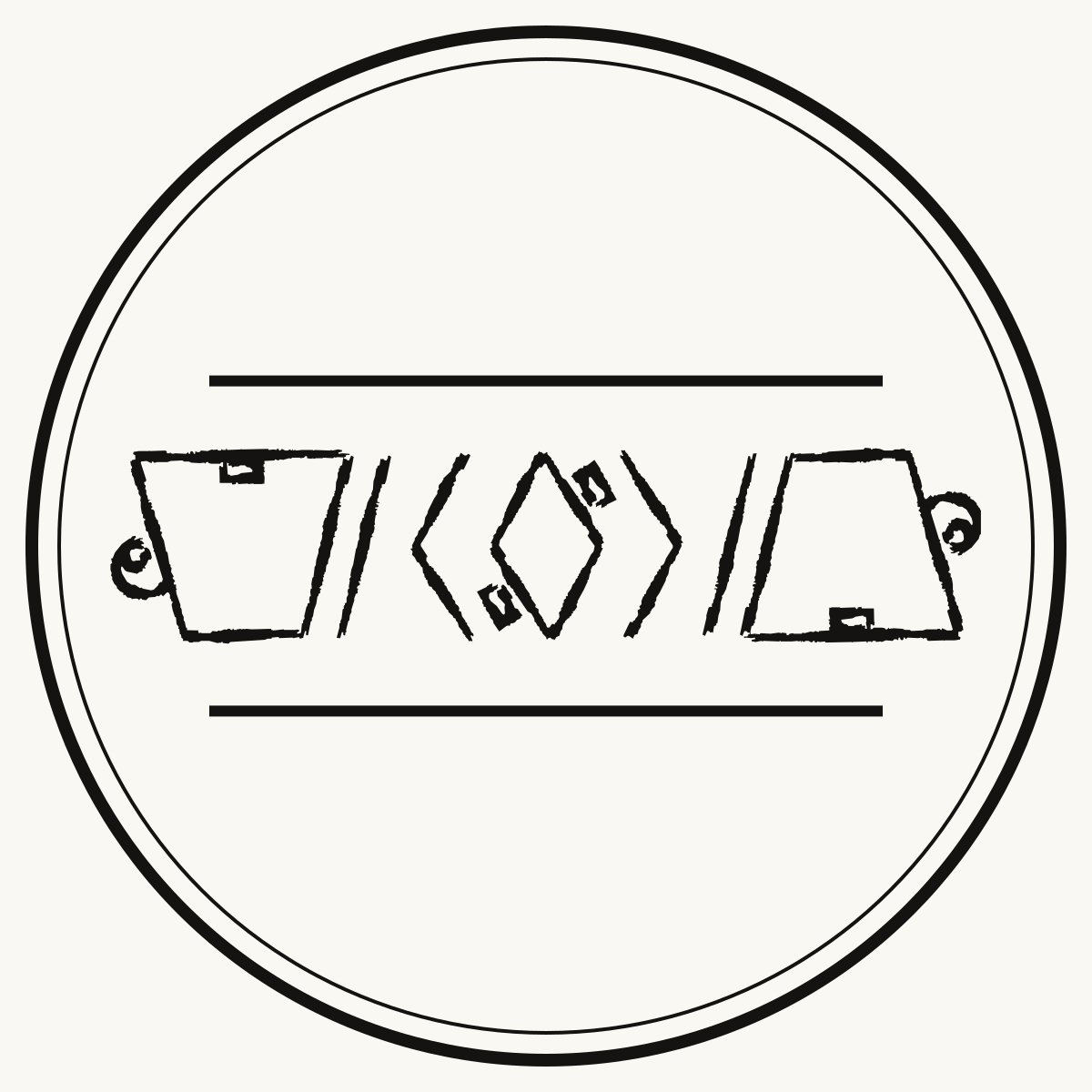
তারেক is three syllables, তা, রে and ক, so I drew it as three parts rather than as a row of separate letters. Read left to right you get তা, then রে, then ক. Turn the whole thing over and the first part and the last part change places, while the middle part becomes itself again.
The first part is ত with the a-kar that follows it. The last part is ক. Those two have to be each other upside down, which only works because I gave them a body in common. In Bangla what separates ক from ব is one small shape. I put that same shape into ত, so ত and ক sit on the same form and differ only in the details that survive being turned over.
The middle part is রে. র is ব carrying a small round mark. One mark on its own is no use here, because the moment you turn the page it is on the wrong side. So there is one above and one below. Both are always there, and whichever way up you are looking, one of them is doing the work while the other reads as decoration.
The e-kar sits before র, which is how Bangla writes it, and that is what forces the last piece. A shape hanging off one side of র with nothing on the other cannot turn into itself. So there is a second e-kar shape on the far side that no spelling of my name asks for. It is there to make the middle part balance about its own centre.
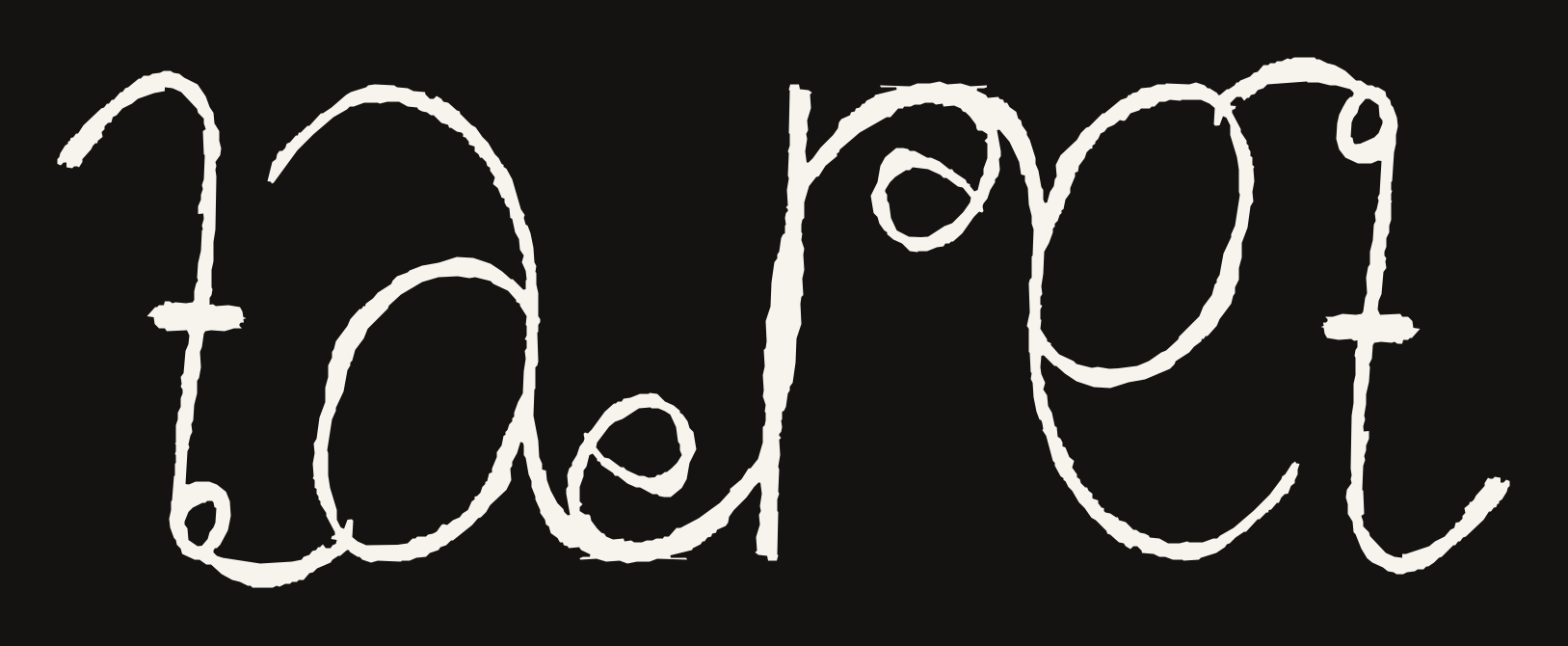
Tareq


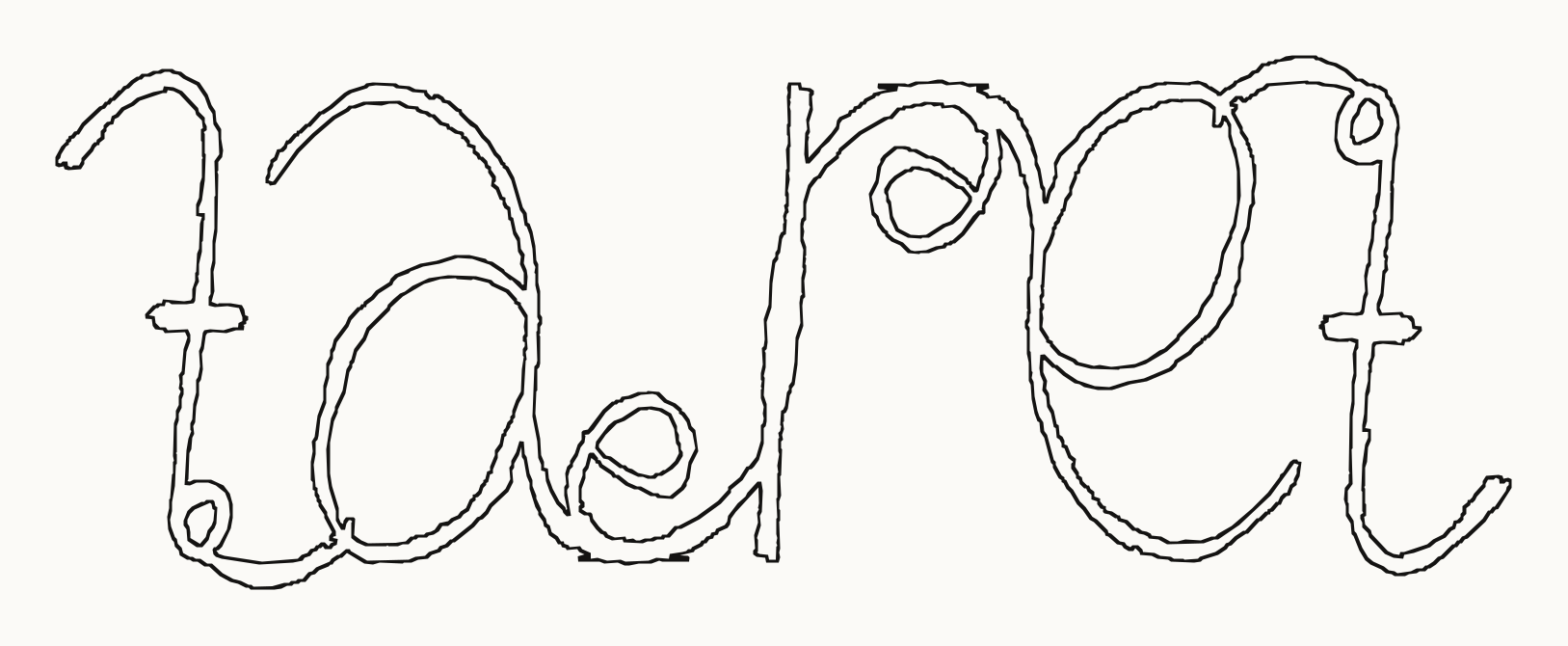
The same idea in the Latin alphabet, written as one running line rather than as separate letters.
Five letters, and turning the word over pairs them off: t with q, a with e, and r with itself.
The t and the q are one shape. A tall stroke, a hook at the top, a bar across the middle, and a small loop at the foot. One way up it reads as a t, the hook leading into it and the bar crossing it. Turn it over and the tall stroke now hangs below the line, the hook becomes the tail of the q, and the little loop, now sitting at the top, becomes the round part of it. Each letter only needs some of the shape. The bar does nothing for the q and the loop does nothing for the t, so each of them carries one stroke that belongs to the other and reads as decoration.
The a is drawn so that it falls into an e when it comes round.
The r is in the middle and has to become itself. It is a vertical stroke with the same curled arm at the top right and at the bottom left. Only one of them is doing the work of the r at any moment. The other is there so the letter survives the turn, which is the same thing the round mark above and below র is doing in the Bangla one.
How this was made
Both designs are mine. I worked them out by hand on paper. The shapes are ones I found myself, not taken from another ambigram and not suggested to me by an AI.
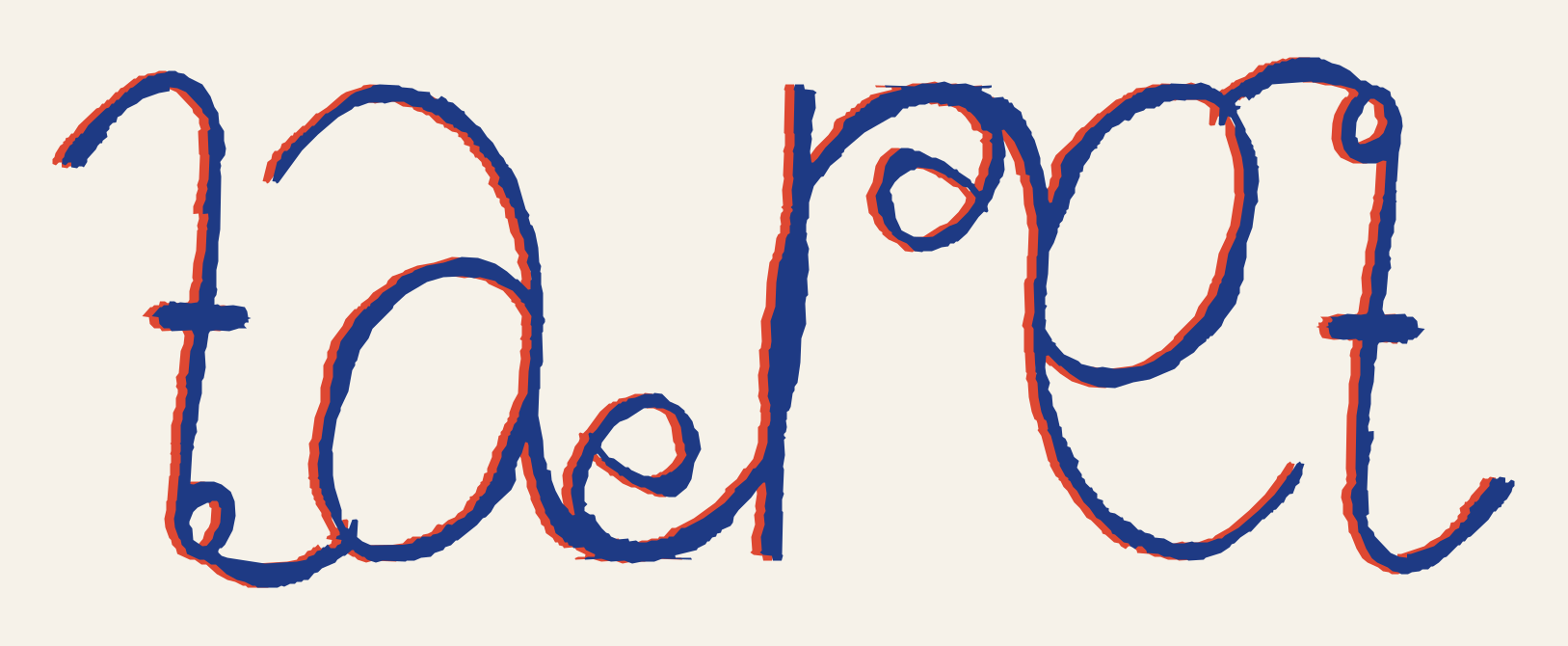
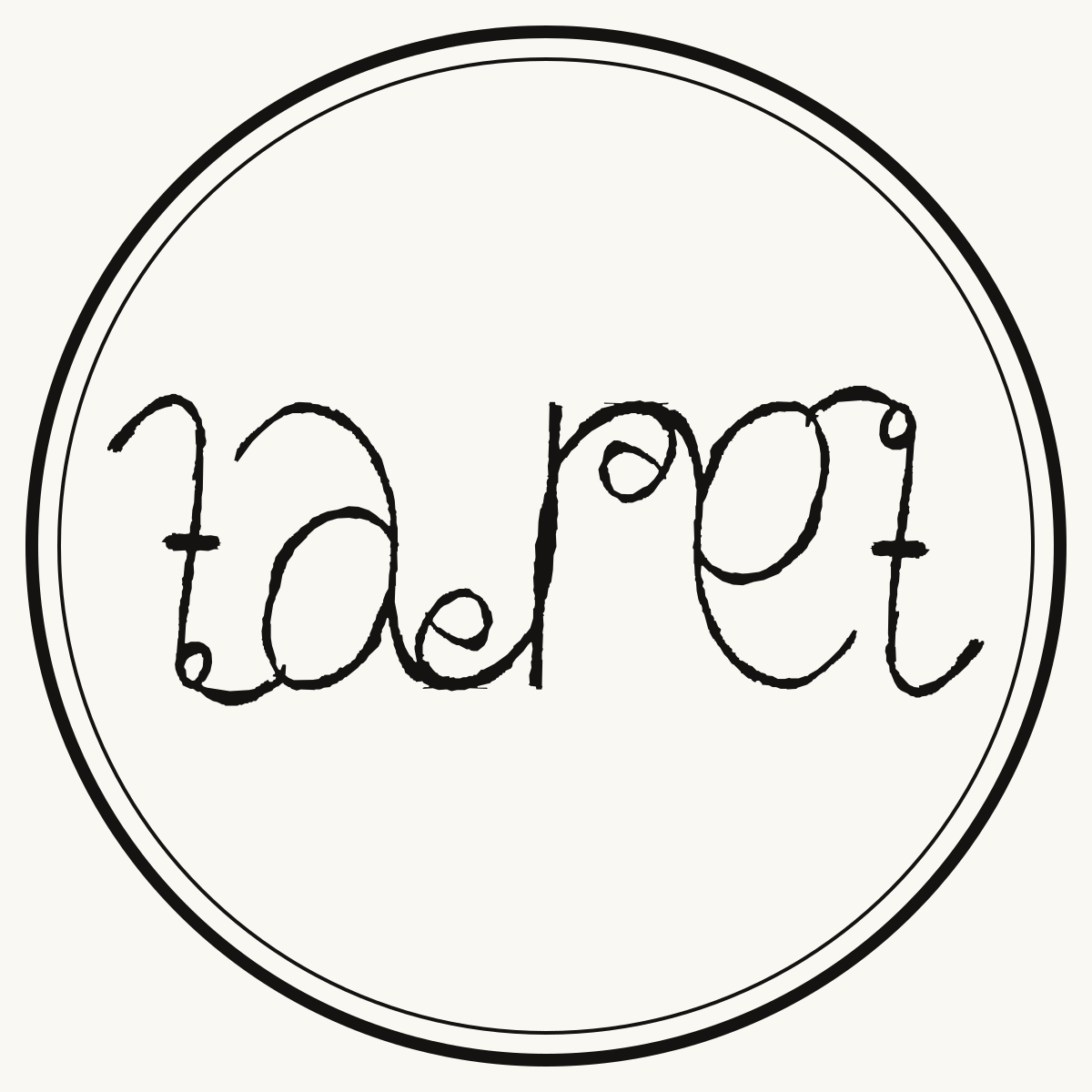
What I did use AI for was turning those drawings into files. It squared the two halves of each mark against the other so the rotation is exact, and it produced every version on this page apart from the two pencil drawings. None of it changed either design. It closed the gap between what I had drawn and what I had meant. The drawings are mine. The tidying up is not.
Designs by Tareq Uz Zaman, February 2024. Please ask before you use them.

Tareq Uz Zaman
Researcher in Scientific Computing
I work on numerical methods and scientific machine learning for large-scale scientific computing.